The psychological impact of gambling Understanding the mind’s gamble
The allure of gambling
The psychological allure of gambling is deeply rooted in the human mind, tapping into emotions such as excitement, anticipation, and sometimes desperation. The thrill of winning, even if only occasionally, creates a powerful urge to engage in gambling activities. This phenomenon is closely linked to the brain’s reward system, which releases dopamine when individuals experience a win. Such chemical responses can lead to a cycle of repeated behavior, where the excitement of the gamble outweighs the potential for loss. For instance, exploring various gaming platforms can introduce players to aus online pokies, which further enhances the experience.
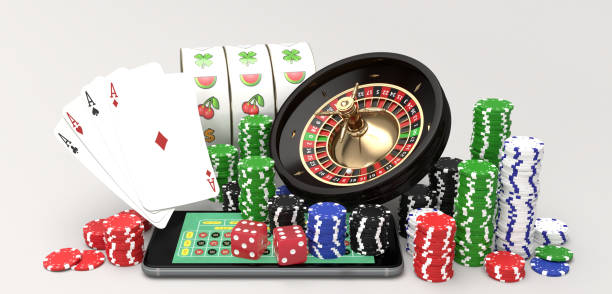
This attraction is not merely about money; it also encompasses social interaction and the atmosphere found in gambling venues. The lights, sounds, and overall ambiance create a unique experience that heightens emotional responses, making it hard for individuals to resist the temptation to participate. Understanding this allure can shed light on why so many people find themselves drawn to gambling despite the risks involved.
The psychology of risk-taking
The psychology of risk-taking plays a significant role in gambling behavior. Many individuals are naturally inclined to seek thrills and engage in activities that involve a degree of uncertainty. This inclination can be partly attributed to personality traits such as impulsivity and sensation-seeking. Those who are more adventurous may be more likely to gamble, as they view it as an opportunity for excitement and stimulation.
The impact of problem gambling
Problem gambling is a serious issue that can have devastating psychological effects on individuals and their families. As gambling behavior escalates, individuals often experience increased anxiety, depression, and feelings of isolation. The addiction can consume their thoughts, leading to neglect of responsibilities, relationships, and overall well-being.
The financial implications can be equally severe, creating stress and anxiety that perpetuate the cycle of gambling. The stigma associated with problem gambling often prevents individuals from seeking help, further exacerbating their situation. Awareness and understanding of these psychological impacts are vital for creating effective support systems and interventions for those affected.
Coping mechanisms and recovery
Coping mechanisms play a crucial role in addressing the psychological challenges associated with gambling. For many, finding healthier outlets for stress and anxiety can be transformative. Activities such as exercise, mindfulness practices, or engaging in hobbies can provide a much-needed distraction and help individuals regain control of their lives.
Additionally, support groups and therapy can offer valuable resources for those struggling with gambling addiction. Cognitive-behavioral therapy (CBT) is particularly effective, as it focuses on changing harmful thought patterns and behaviors. Recovery is possible, and understanding the psychological aspects of gambling is a fundamental step toward healing.

Exploring resources for safer gambling
As the online gambling landscape continues to grow, it is essential to understand how to engage safely. Numerous resources are available to promote responsible gambling practices, including self-exclusion programs and educational materials aimed at increasing awareness about the psychological risks of gambling.
Our website serves as a hub for information, providing insights and expert reviews on online casinos that prioritize player safety. By empowering individuals with knowledge and resources, we strive to create a safer gambling environment where players can enjoy their experience without succumbing to the psychological traps that can arise.
“`